
The Animation Studio's Premiere Board Game Started as a Drunken Gag
Titmouse Animation Studios may be most famous for creating successful the popular series cartoon series including The Legend of Vox Machina and Mighty Nein, however following a highly triumphant crowdfunding effort late last year, the studio's first-ever tabletop game arrives on Nov. 28.
Drunkards, Druggies, & Delinquents is billed as a “consciousness-shifting fantasy drinking roleplay” for gamers of all experience and intoxication degrees. Picture a condensed version of the classic RPG where rather than HP, you lose “gulps” or “drags” every time you take damage. (Though the developers have stated players are welcome to use any substitute from pushups to spicy food or sweets instead — anything that causes you to take some kind of largely harmless physical “harm.”)
The humorous part about this boisterous fresh title, nevertheless, is that it all started out as a joke.

“Each year we create a unusual business offering, a distinctive piece that we send to each collaborator,” the studio's founder and Chief Executive Officer the founder told during a digital conference. “Several years back, I aimed to do a game master screen.”
Based in Oakland illustrator the artist, who is known for “hallucinatory art,” designed the colorful artwork for the display. But the founder noted they required the interior of the display to include content. Thus he enlisted the studio's creative head Alexei Bochenek to rapidly create text meant to appear “very verbose and formal” as if Gary Gygax had written a alcohol-based game in the style of AD&D.
“I hadn't imagined anyone to try it,” the CEO confessed. “I simply believed it would be a fun gag gift. Yet a bunch of players tried it and suggested we could do this.”
The founder explained it was Gary Gygax's son, Gary Gygax’s son, who eventually persuaded the studio crew to back a more fleshed-out edition of the title.
Following the start on the funding site in November, Drunkards, Druggies, & Delinquents was fully funded in just two hours, ultimately surpassing additional targets to raise a amount of $103,291. (Sadly, that left it $17k shy of activating the Vintner character.) This title has a dozen classes themed after ale, booze, or weed — like the Ale Warrior, Booze Mage, Herbal Druid. In addition to standard skills, most of them have common features you encounter in boozy activities. The Pontificator must continuously perform a soliloquy throughout the game in minute particulars, and if they pause, they must drink.
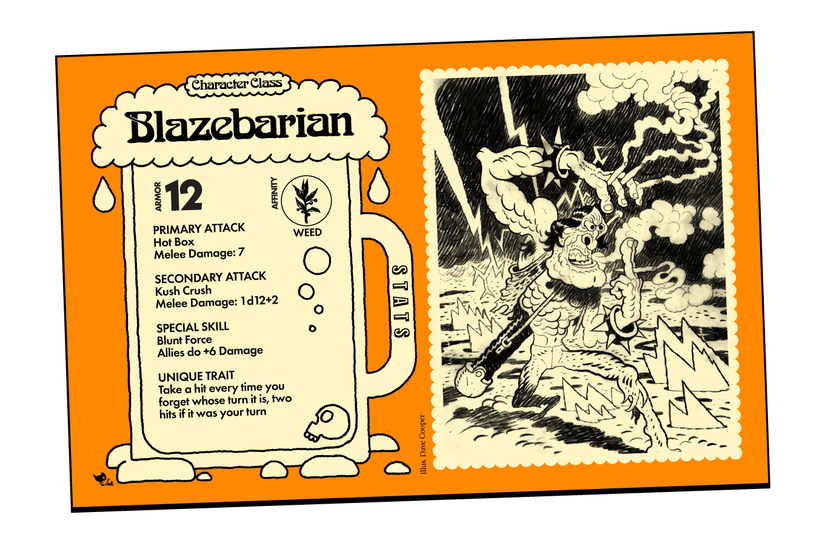
Players can use pre-generated character cards participants can employ outlining how all personas has core attributes, dual actions (a mix of melee and magic), a Special Skill, and a Unique Trait. However you can also customize with these features to create a fully unique character. Consumable items and gear further modify assorted strategies, for example the Bongwater Staff that causes any enemies it hits to receive increased injury for one round.
“This is not designed for the heavy narrative,” the CEO commented. “This combat system is basically a meat grinder, so it’s aimed at player interaction and battle.”
The whole game system is built around using a single d12 included with each box of the release (that can also be used on a set of charts to establish the story). Per round, the current Leader uses that twelve-sided die. Depending on the result, they pick a creature card from a small pool (nineteen creatures in total) to put on the playing field. Could it be the playful Spliff Queen that reflects spell damage? Or perhaps the huge Brute that causes all enemies roll an extra d12 for assaults?
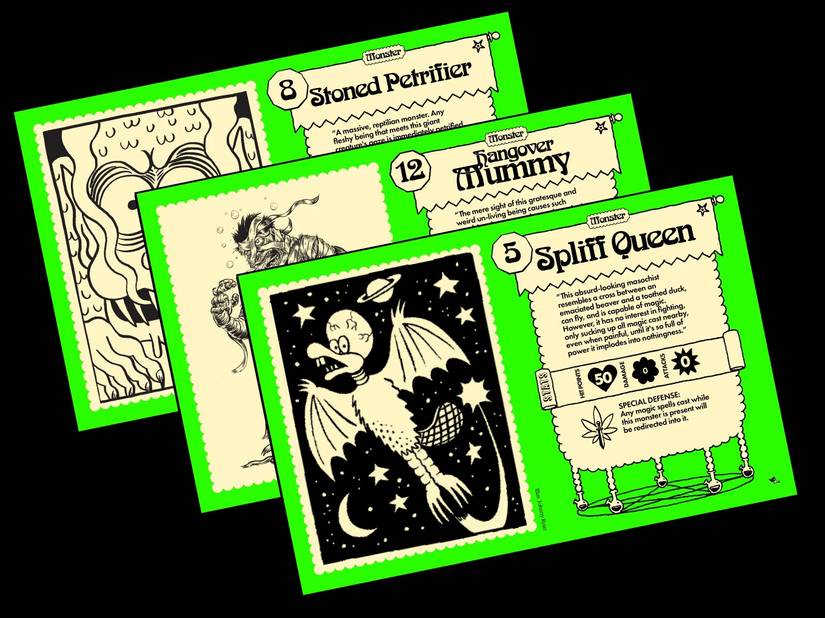
Each monster strikes as instructed by the present GM, after which every participant.
“The biggest difference among this game and classic roleplaying games is that there isn't a single game master,” Prynoski said, explaining that as with a traditional board game, the role moves around the table with each leader managing the monsters for the turn. To Prynoski, this is a key aspect that cause it to be approachable to TTRPG newcomers.
Strike attempts are compared to a player or enemy's defense: When the Mummy attempts an assault and gets an 11 with the dice roll, it will not deal any damage versus a Beerbarian’s 12 defense. Yet if it executes that same attack against a Whiskey Wizard with 6 defense, the {player|gamer|participant
